PV + CHP Hybrid Energy Systems: Dispatch and Control Strategy

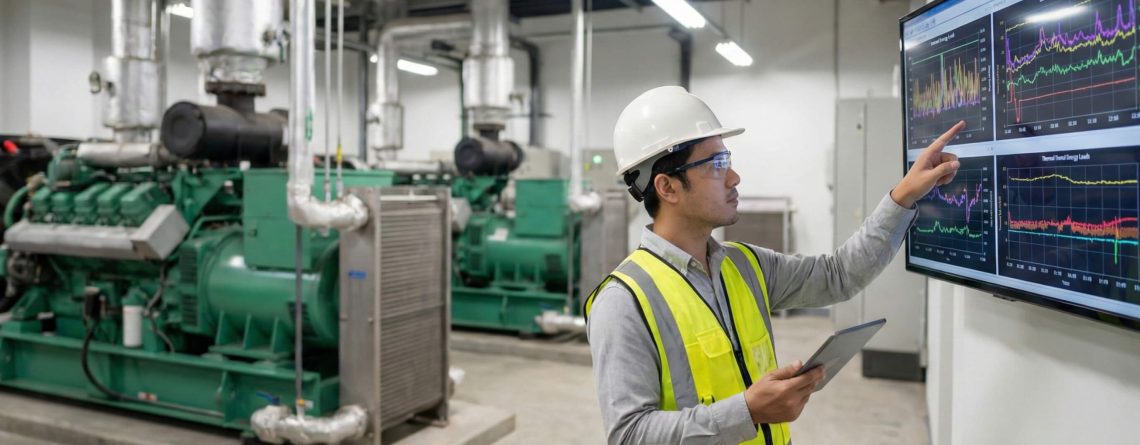
The modern industrial energy landscape is moving away from single-source generation toward hybridized microgrids. Combining Photovoltaics (PV) with Combined Heat and Power (CHP) creates a robust system that balances the low operational cost of renewables with the reliability of thermal generation. However, the hardware is...

Microgrid Design for Data Centers with Engine-Based Systems

The digital economy runs on a simple, non-negotiable premise: 100% uptime. For data center operators, the traditional model of relying on the utility grid with a backup diesel generator is evolving into a more sophisticated architecture: the data center microgrid. Unlike a passive standby system,...

IPP Licensing Steps and Grid Connection Basics

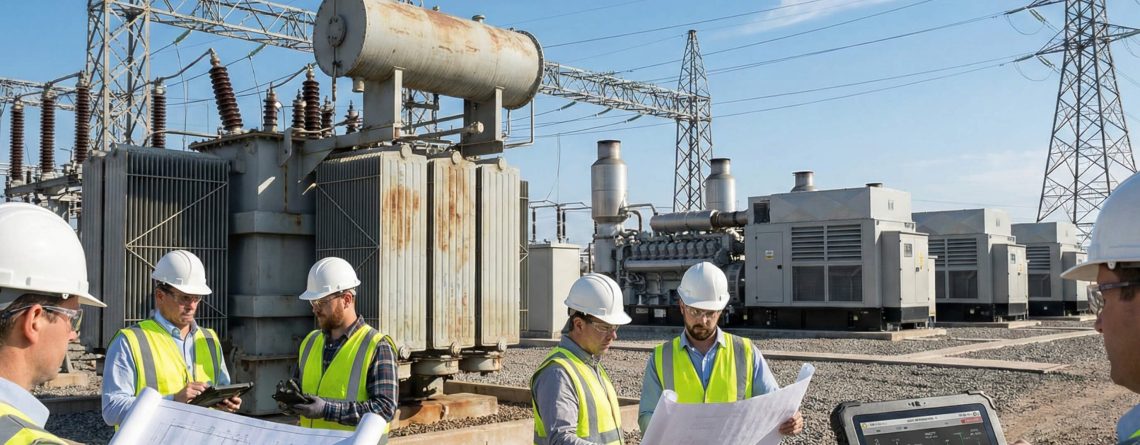
The development of an Independent Power Producer (IPP) project is a multi-dimensional engineering challenge where the procurement of high-efficiency gas engines represents only a fraction of the total scope, necessitating a parallel execution of regulatory licensing and complex high-voltage grid integration procedures that ultimately define...

How to Size a CHP System for Industrial Facilities

The engineering process of integrating a combined heat and power system into an existing industrial infrastructure requires a sophisticated understanding of the facility’s thermodynamic equilibrium where the simultaneous demand for high-grade thermal energy and stable electrical power must be reconciled through precise capacity calculations to...

CHP-Driven Growth: Why New Industrial Investments Prefer Engine-Based Energy Solutions

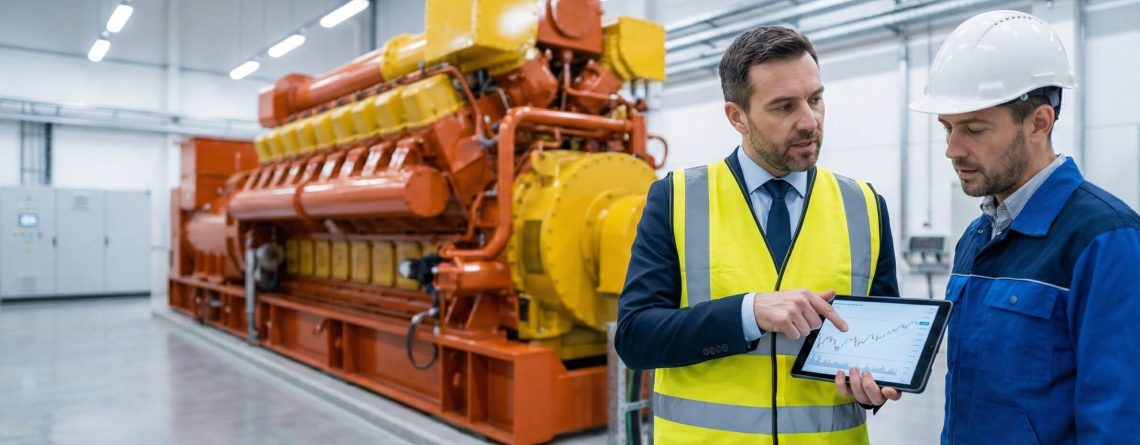
Capital allocation for new industrial facilities requires rigorous scrutiny. For CFOs and project developers, energy infrastructure represents both a significant capital expenditure (CapEx) and a critical long-term operational expenditure (OpEx). In the current economic climate, relying solely on the utility grid exposes operations to price...

Energy Management Systems for Commercial Buildings

Commercial buildings such as shopping malls, hotels, office complexes, and hospitals consume vast amounts of energy daily. Managing this energy efficiently is critical to lowering operating costs, improving sustainability, and enhancing occupant comfort. Energy Management Systems (EMS) provide the tools needed to monitor, control, and...

Energy Solutions for the Textile Industry: A Sustainable Approach

Energy Challenges in the Textile Industry The textile industry is one of the most energy-intensive sectors, consuming large amounts of electricity and thermal energy in various production processes such as spinning, weaving, dyeing, and finishing. With rising energy costs and increasing pressure to reduce carbon emissions,...

Synchronous Generator: How It Works and Its Components

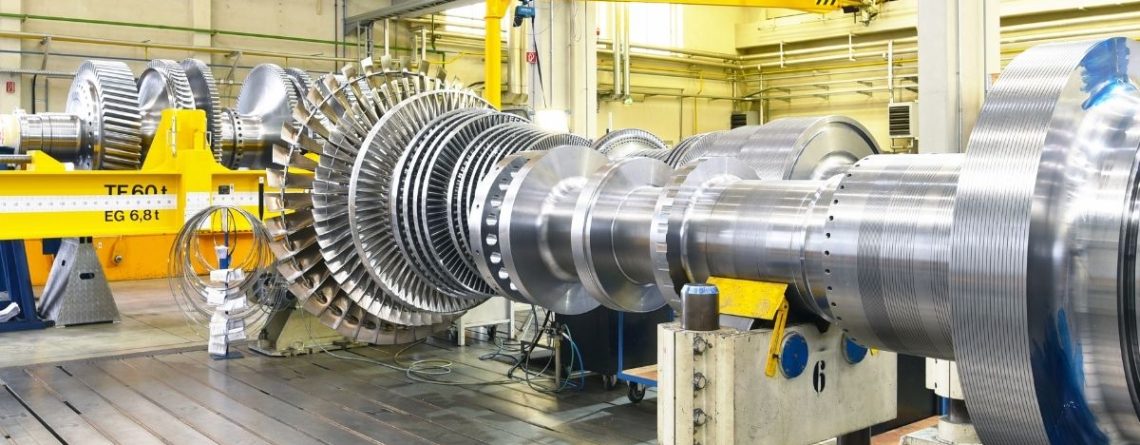
A synchronous generator is an electrical machine that converts mechanical energy into electrical energy in the form of alternating current (AC), with its rotor spinning at the same frequency as the generated AC voltage. It is widely used in power plants to generate electricity. How a...
picture of a energy plant with trigeneration

What is Trigeneration? How it Works and Key Advantages

As energy demands grow and the need for sustainable solutions becomes critical, trigeneration has emerged as a powerful technology that maximizes energy efficiency. Trigeneration, also known as Combined Cooling, Heat, and Power (CCHP), offers a significant improvement over traditional power generation methods by utilizing waste...