10Aug
12Jun
Industrial UPS Systems: How to Choose the Right One in 2026
In a modern automated manufacturing facility, electricity is the lifeblood of production. However, as grids face increased strain from the integration of intermittent renewables and extreme weather events, power quality is declining. For industrial facility, a power disruption doesn't just mean the lights go out;...
12May
How to Reduce Energy Costs in Industrial Facilities in 2026
In the industrial landscape of 2026, energy is no longer a fixed overhead cost; it is a dynamic variable that can be managed, optimized, and traded. With global energy markets experiencing increased volatility and carbon taxes becoming more stringent, the ability to reduce industrial energy...
15Jan
Biogas Plant Upgrades That Increase Engine Efficiency
The profitability of a biogas facility is inextricably linked to the thermodynamic performance of its prime movers, where the variability of organic feedstock often leads to fluctuating gas quality that systematically derates engine output and accelerates component wear. For plant managers, the challenge is clear....
18Dec
Key Performance Factors That Determine the Success of Hybrid Energy Systems
The transition from centralized utility grids to decentralized microgrids is accelerating. For energy project managers and utility operators, Hybrid Energy Systems represent the pinnacle of this transition, combining the reliability of conventional gensets with the sustainability of renewables. However, successfully deploying a hybrid plant requires...
16Dec
Industrial Cogeneration Systems: Efficiency Gains Achieved Through Heat Recovery Innovations
Industrial energy management requires precise calculations and strategic infrastructure investments. Rising fuel costs and strict emission regulations compel facility managers to look beyond simple electricity generation. Cogeneration (CHP) systems offer a solution by producing power and thermal energy simultaneously. However, the engine is only...
11Dec
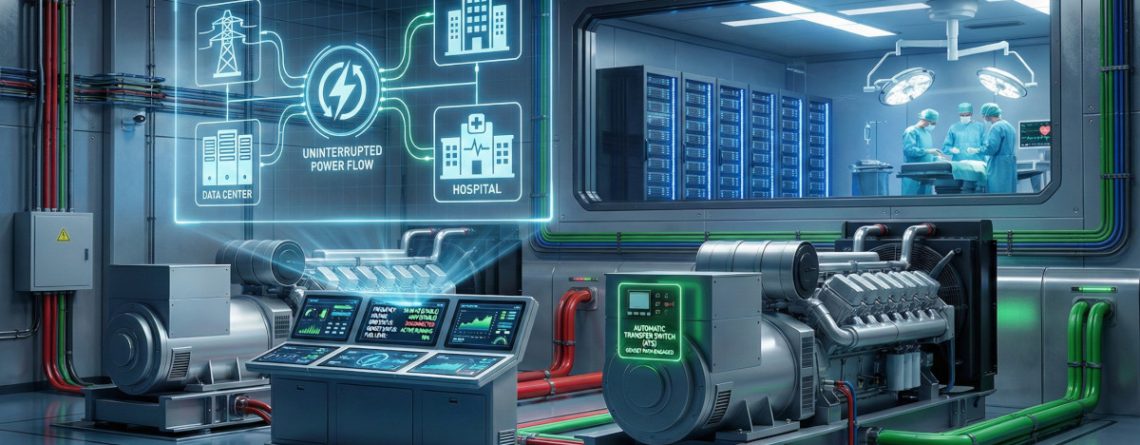
How Engine-Based Power Systems Ensure Energy Continuity in Mission-Critical Facilities
In the operational landscape of high-stakes infrastructure, power failure is not an inconvenience; it is a catastrophe. For a Tier 4 data center, downtime means corrupted databases and millions in financial losses. For a Level 1 trauma center, it means the difference between life and...
09Dec
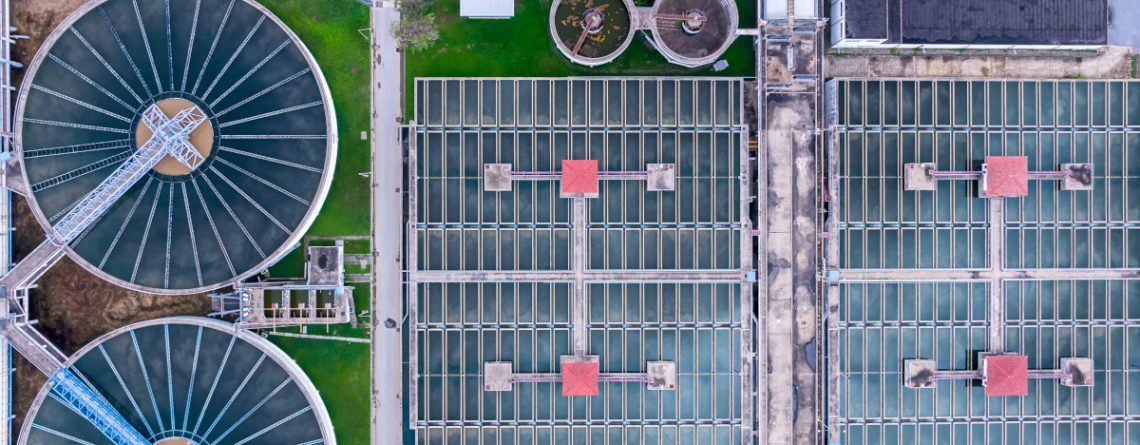
Energy Recovery Systems Transforming Wastewater Treatment Plants (WWTP) Into Power-Generating Facilities
Wastewater Treatment Plants (WWTP) traditionally function as massive energy consumers. Municipal data indicates that these facilities often account for 30% to 40% of a local government's total electricity bill. This high operational cost pressures municipal budgets and increases the carbon footprint of water management. However,...
04Dec
Increasing Facility Performance with Advanced Trigeneration Optimization Methods
For modern industrial facilities and critical infrastructure, energy is no longer just a line item on an expense report; it is a strategic asset that requires precise management. Traditional energy procurement methods often fall short against rising unit costs and stringent carbon footprint regulations. This...
11Aug