


In 2026, the industrial energy sector is no longer defined by simple consumption. The global push for Net-Zero, coupled with the need for extreme operational resilience, has transformed factories from passive energy users into active participants in the power ecosystem. The "business as usual" approach—relying solely on a single utility connection and fossil-fuel boilers—is becoming a financial and regulatory liability.
To remain competitive, industrial leaders must navigate a landscape of rapid electrification, digitalization, and decentralization. Here are the defining trends of 2026 that will shape the next decade of industrial production.
1. The Rise of the Industrial Microgrid
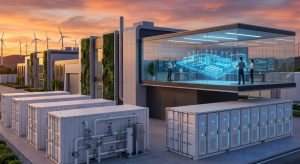
The most significant trend of 2026 is the decoupling of industrial facilities from total reliance on the national grid. Industrial Microgrids allow a facility to operate in "island mode," maintaining production even during regional blackouts. By integrating on-site generation (Solar, Wind, or Gas Engines) with Battery Energy Storage Systems (BESS), factories can manage their own frequency and voltage. This isn't just about backup; it’s about arbitrage. Factories are now buying energy when it’s cheap, storing it, and using it during peak price periods, effectively turning their energy infrastructure into a profit center.2. Green Hydrogen: From Pilot to Production
For "hard-to-abate" sectors like steel, cement, and chemical manufacturing, electrification isn't always a complete solution. In 2026, Green Hydrogen has officially moved from experimental pilots to industrial-scale integration.- On-site Electrolyzers: Large facilities are installing their own electrolyzer banks, powered by dedicated renewable arrays, to produce carbon-free fuel for high-temperature thermal processes.
- H2-Ready Infrastructure: New gas engines and turbines are being installed with "H2-Ready" certifications, allowing for a seamless transition from natural gas to hydrogen blends as supply chains mature.