CHP & Trigeneration as a Decarbonization Lever: Where It Really Cuts Emissions

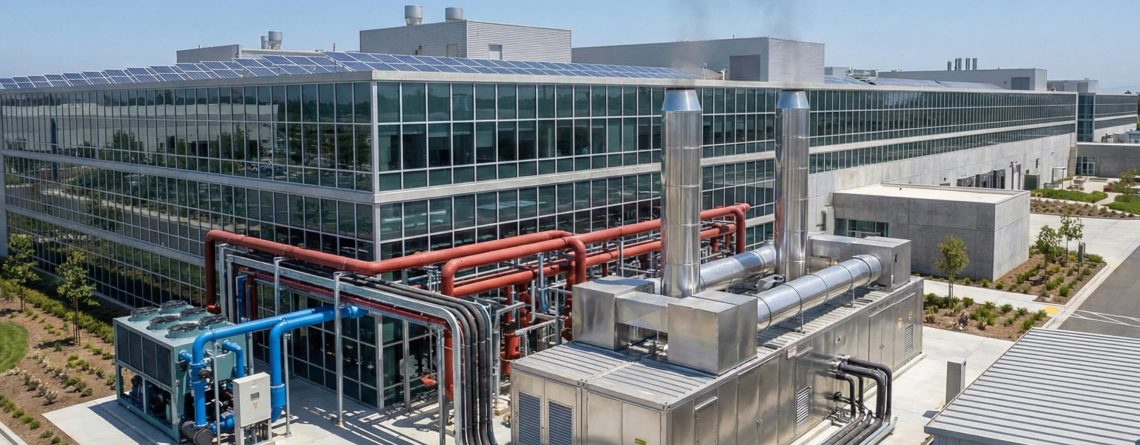
The engineering deployment of combined heat and power systems serves as a primary decarbonization lever for industrial facilities by fundamentally altering the thermodynamic balance of energy consumption where the simultaneous generation of electrical power and high-grade thermal energy from a single fuel input drastically reduces...

Emissions and Compliance for Engine-Based Power: NOx, CO, and Reporting Basics

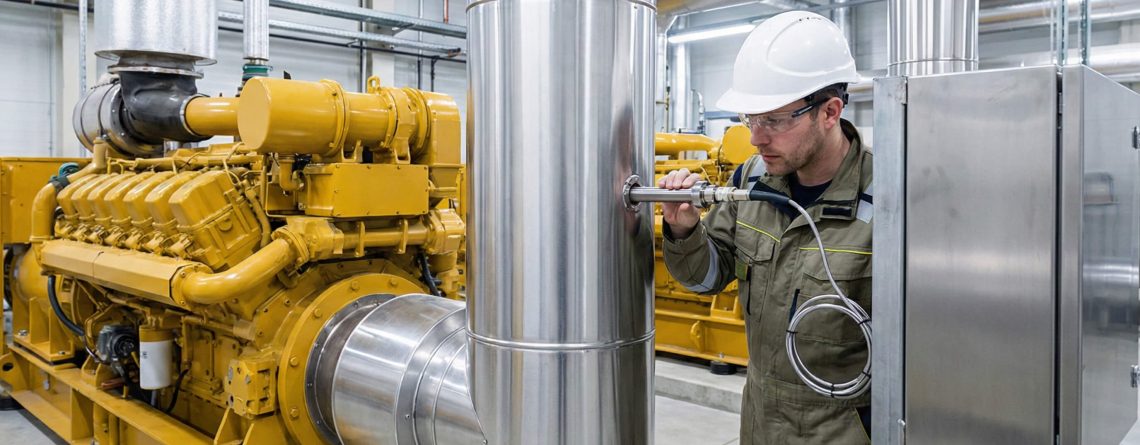
The regulatory framework governing stationary internal combustion engines requires a comprehensive understanding of the complex chemical reactions occurring within the combustion chamber where high temperatures and variable fuel compositions inevitably produce regulated pollutants that must be strictly managed to secure operational permits and protect the...

Trigeneration vs Heat Pumps in Hotels: Cost and CO2 Impact

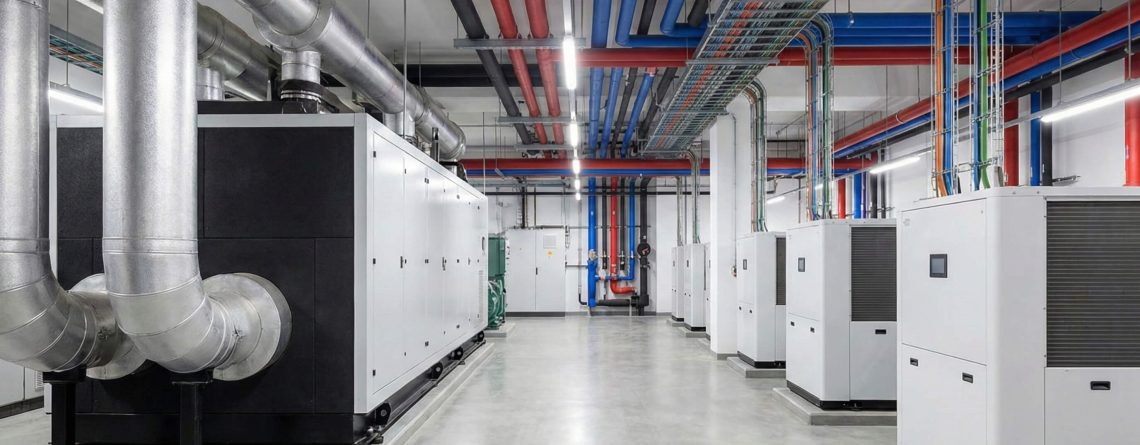
The hospitality industry operates as a unique energy consumer where the simultaneous requirement for uninterruptible power, continuous domestic hot water for guest comfort, and aggressive air conditioning loads creates a thermodynamic profile that demands a sophisticated, integrated energy solution rather than a collection of standalone...

Reducing Carbon Emissions in Landfill Operations Using Engine-Based LFG Energy Systems

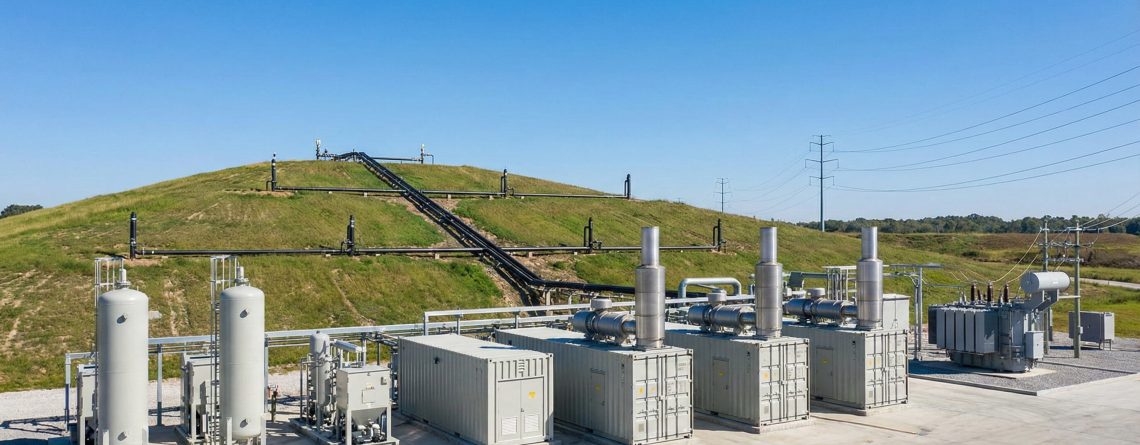
Municipal Solid Waste (MSW) landfills represent a significant source of anthropogenic methane emissions globally. For environmental engineers and waste management executives, the challenge is not merely containment but active mitigation. Methane (CH4), generated during the anaerobic decomposition of organic matter, possesses a Global Warming Potential...