


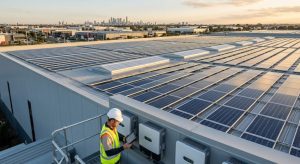
In the energy landscape of 2026, solar photovoltaics (PV) have transitioned from an "alternative" energy source to a primary strategic asset for industrial and commercial facilities. With rising utility tariffs and tightening carbon regulations, investing in solar is one of the most effective ways to hedge against energy market volatility. However, a solar project is a 25-year commitment. Success depends on more than just buying panels; it requires meticulous technical and financial engineering before the first bolt is tightened.
Before committing capital, investors must evaluate a complex set of variables—from the physical constraints of the site to the long-term operational costs. This guide outlines the critical considerations for a high-return solar investment.
Technical Site Viability and Resource Assessment
The performance of a solar system is dictated by its environment. A system that is not optimized for its specific location will consistently underperform, regardless of the quality of the hardware.- Orientation and Tilt: In the northern hemisphere, south-facing arrays maximize annual yield. However, depending on your facility's energy usage patterns, an east-west orientation might be preferable if your peak consumption occurs in the early morning or late afternoon.
- Shading Analysis: Even minor shading from a nearby chimney, tree, or adjacent building can disproportionately reduce the output of an entire string of panels. Modern LiDAR-based shading tools are essential for accurate yield forecasting.
- Structural Integrity: For rooftop installations, a structural audit is mandatory. You must ensure the roof can handle the "dead load" of the panels and the "wind load" (uplift forces) during storms. If the roof needs replacement in the near future, it is more cost-effective to do it before the solar array is installed.
System Sizing and Load Profile Matching
The most profitable solar systems are sized for self-consumption. In 2026, using the power you generate to offset your own expensive utility purchases is significantly more lucrative than selling excess power back to the grid.Understanding Your 8,760 Hourly Load
You must analyze your facility's energy consumption for every hour of the year. A solar system that produces maximum power at noon is inefficient if your factory’s demand peaks at a different time and the local grid does not allow for favorable net-metering.- Oversizing Risks: Excessive generation without a Battery Energy Storage System (BESS) leads to "curtailment," where energy is wasted because it cannot be used or exported, negatively impacting your return on investment.
- The Role of BESS: In 2026, many investors are opting for hybrid solar systems that include batteries to "shift" midday solar energy to cover evening or early morning peaks.
Financial Strategic Planning: Long-Term Value Drivers
While the initial cost is important, a sustainable investment looks at the total lifecycle value. Strategic financial planning ensures the system remains an asset rather than a liability over its two-decade lifespan.Key Economic Factors
- Incentives and Tax Credits: Research 2026 subsidies, "Green Certificates," and accelerated depreciation rules. These government programs can often cover a significant portion of the initial investment.
- Degradation Rates: Solar panels naturally lose efficiency over time. High-quality "N-Type" or "TOPCon" cells typically have lower degradation rates, ensuring higher energy yields in the later years of the project.
- O&M Budgeting: Operations and Maintenance (O&M) is essential for performance. Budget for periodic panel cleaning (especially in industrial zones), inverter replacements (usually around year 10-12), and continuous remote monitoring to catch faults early.
Component Selection and Bankability
Not all solar hardware is created equal. The "Bankability" of a manufacturer is a measure of their financial health and their ability to honor long-term warranties.- Tier 1 Panels: Stick to Tier 1 manufacturers who have the financial stability to support their 25-year product and performance warranties.
- Inverter Selection: The inverter is the "brain" of the system and the component most likely to require service. Choosing high-efficiency string or central inverters with a proven track record is critical for system availability.
- Mounting Systems: Do not neglect the mounting hardware. In coastal or high-wind areas, the corrosion resistance and structural rating of the mounting rails are as vital as the panels themselves.
Grid Connection and Regulatory Compliance
The final hurdle is ensuring the system can legally and safely interact with the utility network. You must secure an Interconnection Agreement before the system can be commissioned.- Grid Capacity: In some regions, the local grid may be "saturated" and unable to accept more solar power. Confirm with your utility provider early that your local infrastructure can handle the intended capacity.
- Permitting and Zoning: Ensure the project complies with local land-use laws, fire safety codes, and environmental impact regulations.