11Dec
09Dec
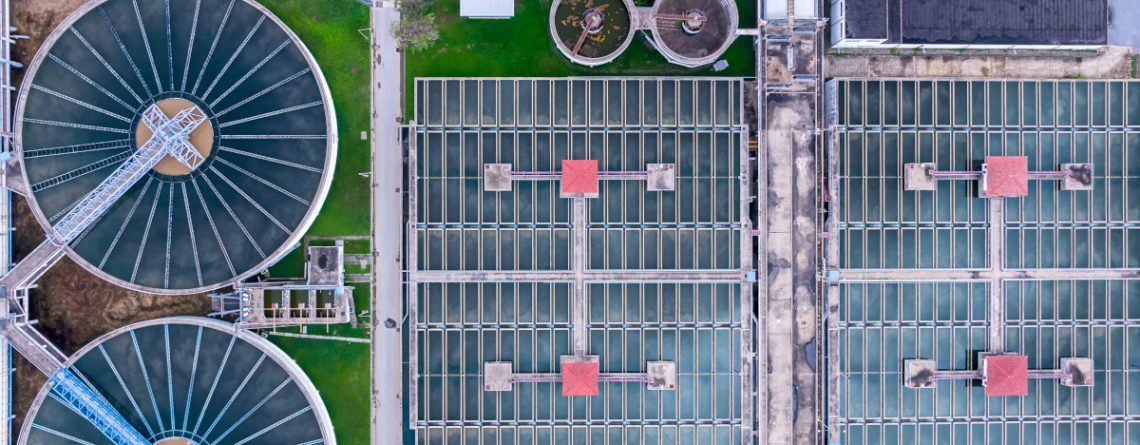
Energy Recovery Systems Transforming Wastewater Treatment Plants (WWTP) Into Power-Generating Facilities
Wastewater Treatment Plants (WWTP) traditionally function as massive energy consumers. Municipal data indicates that these facilities often account for 30% to 40% of a local government's total electricity bill. This high operational cost pressures municipal budgets and increases the carbon footprint of water management. However,...
04Dec
Increasing Facility Performance with Advanced Trigeneration Optimization Methods
For modern industrial facilities and critical infrastructure, energy is no longer just a line item on an expense report; it is a strategic asset that requires precise management. Traditional energy procurement methods often fall short against rising unit costs and stringent carbon footprint regulations. This...
11Aug
Factory Energy Management Systems: Reducing Costs and Boosting Efficiency
Factories are among the highest energy-consuming facilities, often running multiple production lines, heavy machinery, and support systems 24/7. Rising energy prices, stricter environmental regulations, and the need for operational efficiency make Factory Energy Management Systems (FEMS) essential for modern manufacturing. What is a Factory Energy Management...
08Aug
Energy Management Systems for Commercial Buildings
Commercial buildings such as shopping malls, hotels, office complexes, and hospitals consume vast amounts of energy daily. Managing this energy efficiently is critical to lowering operating costs, improving sustainability, and enhancing occupant comfort. Energy Management Systems (EMS) provide the tools needed to monitor, control, and...
03Aug
Smart Energy Management Solutions for Industrial Efficiency
Industrial facilities face increasing pressure to reduce energy costs, cut carbon emissions, and maintain high operational performance. Smart Energy Management (SEM) solutions provide the tools and technologies to meet these demands by combining real-time monitoring, data analytics, automation, and sustainable energy production. What is Smart Energy...
29Jul
Opportunities and Challenges for a Sustainable Energy Future
The global energy landscape is undergoing a profound transformation. Driven by climate change concerns, rising energy costs, and stricter environmental regulations, industries are seeking cleaner, more efficient, and more sustainable energy sources. Achieving a truly sustainable energy future requires both innovation and strategic planning —...
15Jul
Reducing Carbon Emissions Through Waste-to-Energy Projects
Carbon emissions remain one of the most pressing environmental challenges for industries worldwide. Manufacturing, textile, food processing, and other industrial sectors generate significant amounts of waste that often end up in landfills or are incinerated without energy recovery, contributing to greenhouse gas emissions, particularly methane...
08Jul
Top 5 Energy Waste Solutions for Manufacturing Plants
Manufacturing plants are among the largest consumers of energy, often producing significant amounts of waste in the process. Without proper management, this waste not only increases operational costs but also impacts the environment. By implementing effective energy waste solutions, factories can lower expenses, improve sustainability,...
20May