


In the industrial landscape of 2026, energy is no longer a fixed overhead cost; it is a dynamic variable that can be managed, optimized, and traded. With global energy markets experiencing increased volatility and carbon taxes becoming more stringent, the ability to reduce industrial energy costs has become a primary competitive advantage. For manufacturing plants, the goal is to decouple production volume from energy consumption through technical innovation and strategic management.
Lowering your manufacturing energy costs requires a shift from passive consumption to an active, data-driven approach. By implementing a combination of modern hardware and intelligent software, facilities can achieve double-digit factory electricity savings while improving their overall operational resilience.
1. AI-Driven Demand Side Management (DSM)
One of the most effective ways to lower manufacturing energy costs in 2026 is through Autonomous Demand Side Management. Instead of a flat consumption rate, AI algorithms now synchronize production schedules with real-time electricity prices.- Load Shifting: AI systems automatically move energy-intensive processes—such as heavy milling or smelting—to hours when electricity prices are lowest.
- Predictive Optimization: By analyzing historical data and weather patterns, these systems predict "peak price events" and throttle non-essential systems before high-cost periods begin. This proactive approach ensures you are never paying peak-hour premiums for tasks that could be handled during off-peak times.
2. Deploying BESS for Peak Shaving and Arbitrage
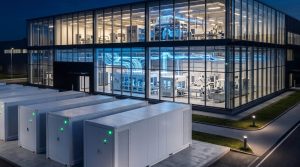
Integrating a Battery Energy Storage System (BESS) is a cornerstone of industrial power cost reduction in 2026. Batteries allow a facility to manage its "Peak Demand," which is often the most expensive part of a utility bill.- Peak Shaving: When a factory starts up heavy machinery, it creates a massive, short-lived spike in demand. Utilities charge high fees for these spikes. A BESS provides that "burst" of power from its stored energy, keeping the demand from the grid flat and significantly lowering your monthly capacity charges.
- Energy Arbitrage: Your facility can buy energy from the grid when it is cheapest (often at night or during solar peaks) and use that stored power when grid prices rise.
3. Decarbonizing Thermal Energy with Industrial Heat Pumps
For facilities that require significant amounts of hot water or low-to-medium temperature steam, replacing traditional gas boilers with Industrial Heat Pumps is a game-changer for industrial energy efficiency. In 2026, high-temperature heat pumps can take waste heat from cooling towers or air compressors and "boost" it to temperatures as high as 160°C. Since these systems move heat rather than generate it through combustion, they are 300% to 400% more efficient than conventional boilers. This transition slashes your Scope 1 emissions and eliminates the need for expensive fossil fuels.4. Modernizing Compressed Air and Motor Systems
Motor-driven systems, including pumps, fans, and compressed air, typically account for 60% to 70% of a factory's electricity use. Reducing these business energy expenses requires targeting the "hidden leaks" in the system.- Variable Speed Drives (VSDs): Many older motors run at 100% speed even when only 20% of the load is needed. Retrofitting with VSDs ensures the motor only consumes the power required for the specific task.
- Leak Detection via Ultrasound: In compressed air systems, leaks are often invisible and silent. Utilizing ultrasound sensors to identify and seal leaks can improve system efficiency by 20% to 30% almost overnight.