


28
Apr
Top 5 Mistakes Companies Make When Investing in Solar Energy
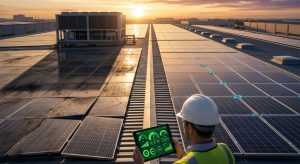
By 2026, solar energy has become a core component of the capital expenditure budgets for most forward-thinking corporations. The promise of generating clean, onsite power while significantly reducing carbon footprints is highly enticing for industrial leaders. However, the commercial solar sector is unfortunately filled with projects that have failed to meet their initial financial projections. These failures are rarely the result of the technology itself, but rather stem from strategic errors made during the critical planning and procurement phases. To ensure your facility’s solar transition is a fiscal success rather than a technical liability, you must be aware of the most common oversights.
1. Prioritizing the Lowest CAPEX Over Long-Term ROI
The most frequent mistake made by procurement departments is choosing the lowest bid without performing a deep analysis of the Total Cost of Ownership. In the solar industry, a 10% saving on initial installation costs can easily lead to a 30% loss in lifetime energy production due to inferior component performance. Lower-quality panels often suffer from much higher annual degradation rates, meaning their ability to generate power drops significantly faster than premium alternatives. While a top-tier panel might maintain high efficiency for 25 years, a budget option can see its output evaporate within a decade, turning a "cheap" investment into a very expensive mistake over time.2. Sizing the System Based on Annual Bills Instead of Hourly Load
Many companies attempt to size their solar array by looking at their total annual electricity consumption and trying to match that figure. This approach fails to account for the fundamental reality of how solar energy is generated throughout the day. Solar power production follows a specific curve that peaks at midday, which may not align with your facility's actual operational needs. If your facility operates primarily at night or has significantly lower demand during weekends, an oversized system will produce massive amounts of excess power that cannot be utilized. Without a battery storage system or a highly favorable export tariff, this energy is essentially wasted. A truly sustainable investment requires a detailed 8,760-hour load profile analysis to ensure that every panel installed is contributing to your facility's immediate self-consumption.3. Neglecting Comprehensive Site and Structural Audits
A solar array is a permanent structural addition intended to last for at least a quarter of a century. Installing a high-tech system on an aging roof or failing to account for environmental factors like micro-shading can lead to operational disasters shortly after commissioning. Beyond the physical condition of the roof, investors often overlook the impact of small obstacles like vent pipes, cooling units, or even distant trees. A single shadow falling across a small portion of an array can drop the performance of an entire string of panels by more than half. Utilizing modern LiDAR-based shading analysis and structural engineering stamps is a non-negotiable step for any professional 2026 installation.4. Treating Solar as a "Set and Forget" Asset
There is a persistent and dangerous myth in the corporate world that solar panels require absolutely no maintenance because they have no moving parts. While it is true that they are low-maintenance compared to gas engines, they are constantly exposed to harsh industrial pollutants, dust, and weather events. When companies fail to budget for ongoing Operations and Maintenance, the efficiency of their system begins a steady decline from day one. Accumulations of dust and grime—often called "soiling"—can easily reduce energy output by 15% or more if left uncleaned. Furthermore, the inverters that act as the system's brain will eventually need specialized servicing or replacement. Without a proactive monitoring and cleaning contract, a solar project’s return on investment can quickly vanish due to neglected minor faults.5. Underestimating Regulatory and Grid Connection Hurdles
Building a solar plant is often much easier than obtaining the legal permission to actually turn it on and connect it to the grid. In 2026, many regional power grids are reaching their technical saturation limits, which makes the interconnection process both complex and potentially very expensive. Some companies sign equipment procurement contracts before they even have a confirmed Grid Interconnection Agreement in hand. This can lead to a situation where a multi-million dollar solar array sits idle for months because the local substation requires an upgrade that the company didn't budget for. Understanding the specific local regulations and grid capacity is the most critical first step in the entire investment process. Avoiding these five common pitfalls is the difference between a solar project that simply exists and one that truly delivers a competitive advantage for your business.Share this post

RELATED
Posts
The Future of Industrial Energy: Trends You Shouldn’t Ignore
In 2026, the industrial energy sector is no longer defined by simple consumption. The global push for Net-Zero, coupled with the need for extreme operational resilience, has transformed factories from passive energy users into active participants in the power ecosystem....
Is Becoming an Independent Power Producer Profitable in 2026?
The landscape for Independent Power Producers (IPPs) in 2026 has undergone a fundamental paradigm shift. The era of easy, long-term government subsidies—such as fixed Feed-in Tariffs—is largely over in most developed and emerging markets. Today, profitability is no longer guaranteed...
Rooftop Solar vs. Ground-Mounted Solar: Which Is More Suitable for Your Business?
As commercial and industrial facilities in 2026 face increasing pressure to decarbonize and hedge against rising energy costs, solar photovoltaics (PV) have become the leading choice for on-site generation. However, the first fundamental decision an investor must make is spatial:...