


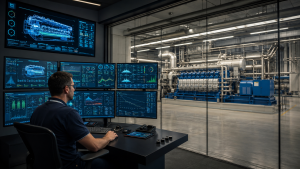
In the continuous operating environment of a modern power plant, a gas engine is not merely a piece of equipment; it is the core revenue driver. Whether supplying electricity to the grid or delivering thermal energy to an industrial manufacturing facility, every hour of operation counts. When an engine suffers an unplanned shutdown, the financial impact accumulates rapidly costing thousands of dollars per hour in lost generation, emergency labor, and potential utility non-compliance penalties.
Historically, maintenance teams relied on scheduled inspections or reacted after a critical fault triggered a total system trip. In 2026, this reactive strategy is being replaced by remote asset monitoring for gas engines. By capturing real-time telemetry and utilizing algorithmic diagnostics, plant managers can detect mechanical anomalies before they escalate into catastrophic failures, fundamentally changing how energy assets are managed.
The Mechanics of Remote Asset Monitoring (RAM)
A RAM system in a power plant acts as a continuous digital health check. It integrates specialized IoT sensors, edge computing devices, and cloud-based analytics to stream critical engine metrics directly to off-site technical teams and facility managers.
Instead of waiting for a manual log entry during a shift change, the monitoring system tracks hundreds of data points every second:
-
Vibration and Acoustics: Detecting minute shifts in bearing wear or cylinder knocking before structural damage occurs.
-
Thermal Profiling: Tracking exhaust gas temperatures across individual cylinders to catch fuel injection misfires or valve fouling early.
-
Fluid Dynamics: Monitoring oil pressure, coolant temperatures, and gas differential pressure to prevent thermal overload.
-
Lube Oil Quality Tracking: Measuring dielectric constants and contamination levels in real time to optimize oil change intervals without risking engine wear.
Shifting from Reactive to Predictive Maintenance
The true power of predictive maintenance for gas engines lies in converting raw sensor data into actionable engineering decisions.
In a traditional setup, a minor issue—such as a slightly clogged air filter or a failing spark plug—goes unnoticed until the engine loses power or shuts down automatically on high temperature. With a remote monitoring energy plant framework, intelligent algorithms compare live operational metrics against the engine's historical baseline and ideal thermodynamic curves.
When a deviation is detected, the system generates a prioritized alert explaining the root cause. This allows technicians to perform targeted maintenance during a scheduled, low-demand window rather than responding to a sudden mid-week emergency trip, significantly helping to reduce downtime in cogeneration assets.
Multi-Site Optimization: Iltekno's MWM RAM Solution
For industrial operators managing multiple power generation sites, maintaining consistent operational standards across different geographic locations presents a major challenge. This is where centralized platforms like Iltekno's MWM RAM system provide a distinct operational advantage.
By aggregating telemetry from multiple MWM gas engines into a single, secure dashboard, Iltekno enables centralized expert oversight:
-
Simultaneous Multi-Site Visibility: Engineering teams can monitor the real-time performance of engines running across different facilities from a single control interface.
-
Advanced Diagnostics and Technical Support: Specialized engineers at Iltekno analyze incoming data trends, offering remote troubleshooting and guidance to on-site technicians before a service call is even dispatched.
-
Fleet Benchmarking: Operators can compare performance parameters across identical engine models, identifying underperforming assets and applying efficiency tweaks across the entire fleet.
Transitioning from reactive troubleshooting to continuous digital oversight protects your capital investment, minimizes operational risk, and ensures your power assets deliver maximum availability.