10Mar
04Mar
How Can Energy Continuity Be Ensured in Industrial Facilities?
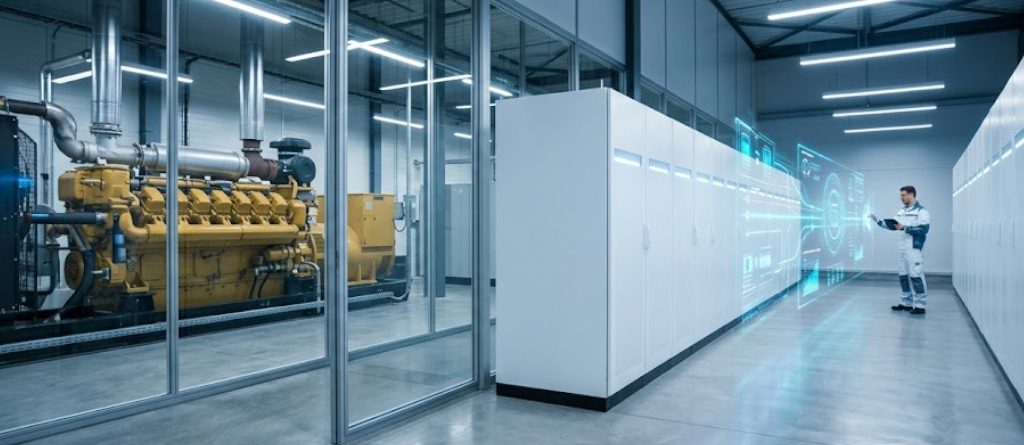
In the industrial landscape of 2026, energy continuity is no longer just a technical requirement; it is a fundamental pillar of competitive survival. As manufacturing becomes increasingly digitized and automated, even a transient voltage dip—lasting only milliseconds—can lead to catastrophic production stops, equipment damage, and...
27Feb
Central Asia Outlook 2025–2027: Why CHP, District Heating, and WtE Are Getting Funded Now
For decades, the energy architecture of Central Asia has relied on the massive, robust, yet highly carbon-intensive infrastructure built during the Soviet era. Today, that legacy equipment has reached its absolute mechanical and thermodynamic limits. Across the region, severe winter energy deficits, crippling urban smog,...
24Feb
Waste-to-Energy & Landfill Gas in the Circular Economy: What Counts as “Sustainable” and Why
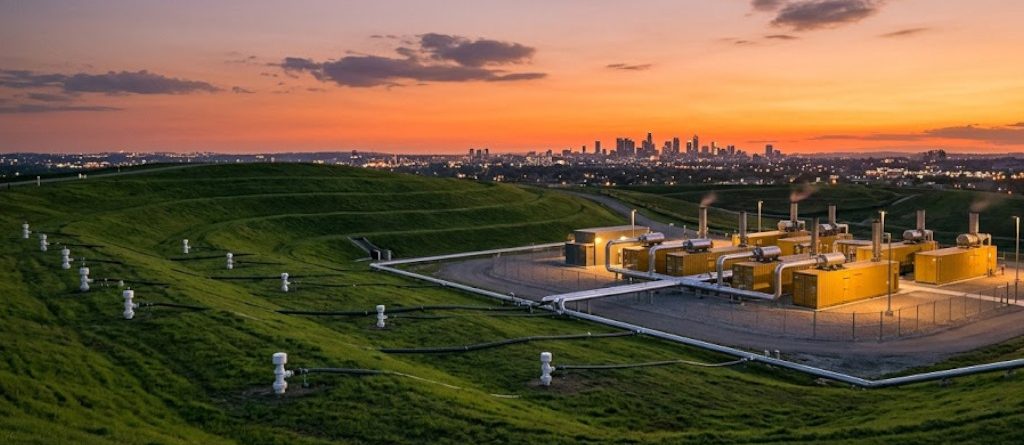
The global push toward a circular economy often presents a strict ideal: a world with zero waste where every material is endlessly looped back into production. However, engineering reality dictates that not all materials can be economically or physically recycled. Contaminated plastics, composite materials, and...
20Feb
CHP & Trigeneration as a Decarbonization Lever: Where It Really Cuts Emissions
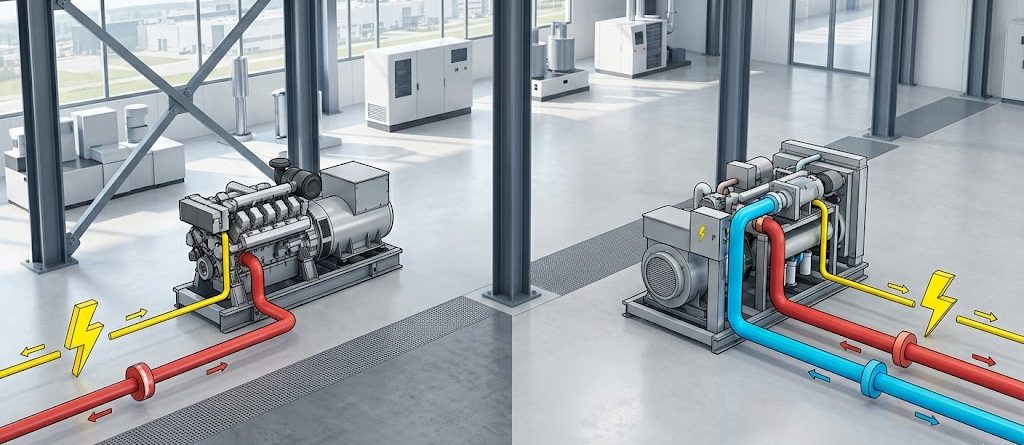
The engineering deployment of combined heat and power systems serves as a primary decarbonization lever for industrial facilities by fundamentally altering the thermodynamic balance of energy consumption where the simultaneous generation of electrical power and high-grade thermal energy from a single fuel input drastically reduces...
17Feb
Grid Interaction for CHP and Microgrids: Protection, Synchronization, and Power Quality
The engineering transition from a standalone independent power producer concept into a fully operational parallel generation asset requires a profound technical deep dive into the electro-mechanical dynamics of grid interaction where the massive rotational inertia of the engine-driven alternator must perfectly align with the infinite...
12Feb
Emissions and Compliance for Engine-Based Power: NOx, CO, and Reporting Basics
The regulatory framework governing stationary internal combustion engines requires a comprehensive understanding of the complex chemical reactions occurring within the combustion chamber where high temperatures and variable fuel compositions inevitably produce regulated pollutants that must be strictly managed to secure operational permits and protect the...
09Feb
CHP O&M Strategy: Availability, Maintenance Planning, and Cost Drivers
The operational phase of a combined heat and power plant represents the true test of its engineering validity where the theoretical financial models formulated during the feasibility stage collide with the mechanical realities of continuous internal combustion, demanding a rigorous and highly structured operations and...
04Feb
CHP / CCHP Projects: Feasibility Study Checklist and Data Requirements
The initial phase of engineering a combined heat and power or trigeneration facility requires a comprehensive aggregation of operational metrics where the thermodynamic reality of the site must be precisely mapped against utility tariffs and physical constraints to establish a mathematically sound basis for capital...
30Jan