CHP / CCHP Projects: Feasibility Study Checklist and Data Requirements

The initial phase of engineering a combined heat and power or trigeneration facility requires a comprehensive aggregation of operational metrics where the thermodynamic reality of the site must be precisely mapped against utility tariffs and physical constraints to establish a mathematically sound basis for capital...

PV + CHP Hybrid Energy Systems: Dispatch and Control Strategy

The modern industrial energy landscape is moving away from single-source generation toward hybridized microgrids. Combining Photovoltaics (PV) with Combined Heat and Power (CHP) creates a robust system that balances the low operational cost of renewables with the reliability of thermal generation. However, the hardware is...

Microgrid Design for Data Centers with Engine-Based Systems

The digital economy runs on a simple, non-negotiable premise: 100% uptime. For data center operators, the traditional model of relying on the utility grid with a backup diesel generator is evolving into a more sophisticated architecture: the data center microgrid. Unlike a passive standby system,...

Landfill Gas Power Projects: Feasibility and Payback Model

The transformation of a municipal solid waste disposal site from an environmental liability into a profitable energy asset requires a feasibility study that is less about optimistic theoretical modeling and more about rigorous field verification where the stochastic nature of anaerobic decomposition must be quantified...

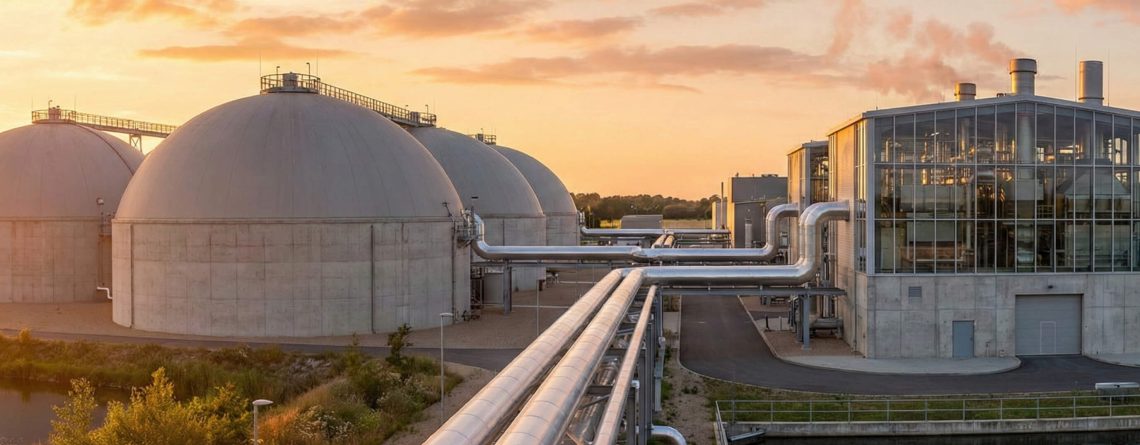
Wastewater Energy Recovery: Key KPIs for WWTP Operators

The modern wastewater treatment plant (WWTP) is transitioning from a mere waste disposal facility into a bio-refinery where the strategic objective is no longer just effluent compliance but energy neutrality. For facility managers and process engineers, the integration of anaerobic digestion and Combined Heat and...

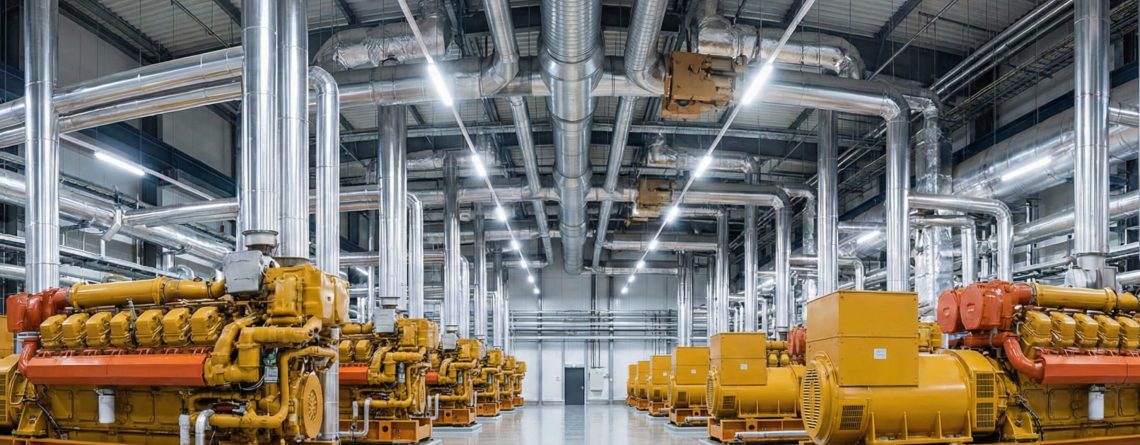
Biogas Plant Upgrades That Increase Engine Efficiency

The profitability of a biogas facility is inextricably linked to the thermodynamic performance of its prime movers, where the variability of organic feedstock often leads to fluctuating gas quality that systematically derates engine output and accelerates component wear. For plant managers, the challenge is clear....

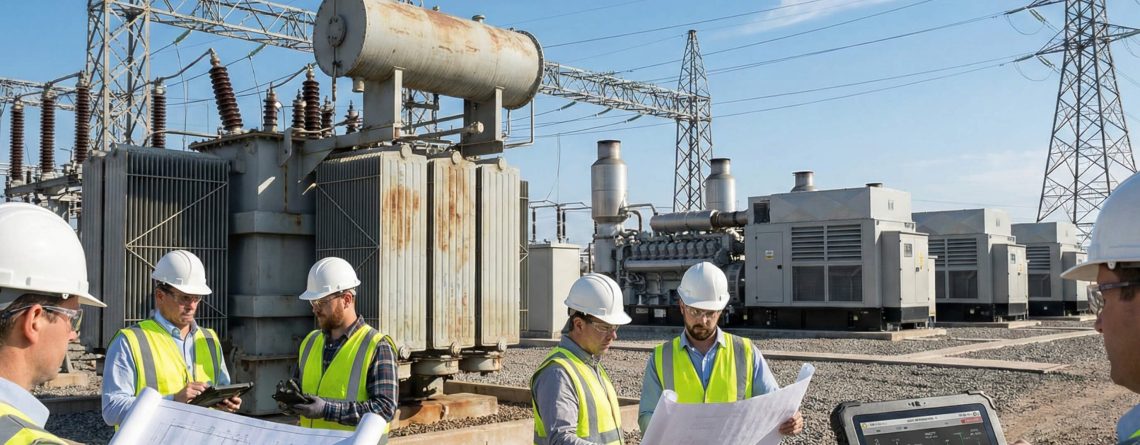
IPP Licensing Steps and Grid Connection Basics

The development of an Independent Power Producer (IPP) project is a multi-dimensional engineering challenge where the procurement of high-efficiency gas engines represents only a fraction of the total scope, necessitating a parallel execution of regulatory licensing and complex high-voltage grid integration procedures that ultimately define...

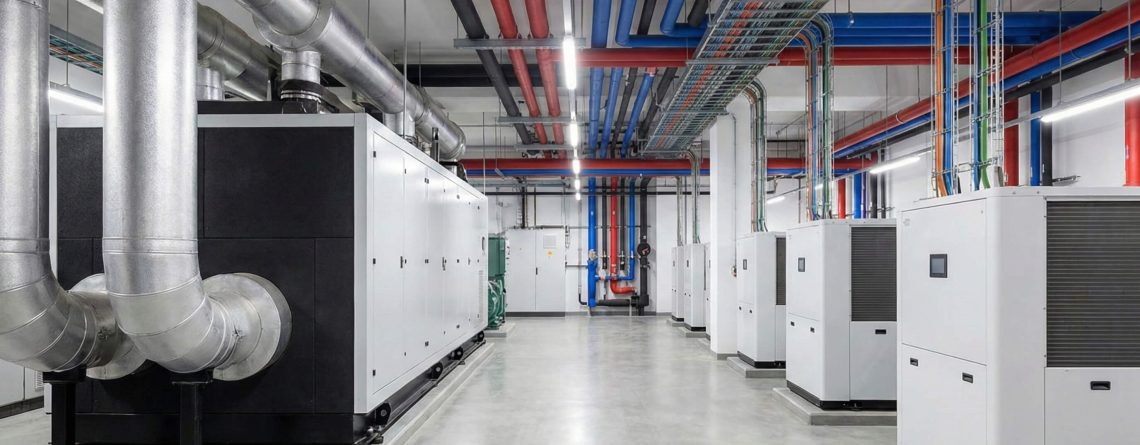
Trigeneration vs Heat Pumps in Hotels: Cost and CO2 Impact

The hospitality industry operates as a unique energy consumer where the simultaneous requirement for uninterruptible power, continuous domestic hot water for guest comfort, and aggressive air conditioning loads creates a thermodynamic profile that demands a sophisticated, integrated energy solution rather than a collection of standalone...

How to Size a CHP System for Industrial Facilities

The engineering process of integrating a combined heat and power system into an existing industrial infrastructure requires a sophisticated understanding of the facility’s thermodynamic equilibrium where the simultaneous demand for high-grade thermal energy and stable electrical power must be reconciled through precise capacity calculations to...

CHP-Driven Growth: Why New Industrial Investments Prefer Engine-Based Energy Solutions

Capital allocation for new industrial facilities requires rigorous scrutiny. For CFOs and project developers, energy infrastructure represents both a significant capital expenditure (CapEx) and a critical long-term operational expenditure (OpEx). In the current economic climate, relying solely on the utility grid exposes operations to price...